Qatar's Education Sector

8
Leading International Universities operating in Qatar
99%
Literacy rate of Qatar’s population
About Qatar's Education Sector
Human capital development has been a cornerstone of Qatar’s modernization strategy for more than two decades, with education serving as a key driver of economic diversification, innovation, and workforce development. Guided by Qatar National Vision 2030 and the Ministry of Education and Higher Education’s Education Strategy 2024–2030, the country is investing in an education system designed to prepare students for a knowledge-based economy and align academic outcomes with evolving labor market needs. The strategy emphasizes improving education quality, expanding access, strengthening teacher development, promoting lifelong learning, and increasing opportunities in higher education, technical education, and vocational training.
Qatar’s education system comprises more than 200 public schools and over 300 private schools serving a diverse and growing student population. The country’s private education sector has expanded significantly over the past decade, reflecting both population growth and rising demand for international curricula. Schools in Qatar offer a wide range of educational systems, including American, British, International Baccalaureate, Indian, French, and other national curricula, supporting the needs of the country’s multinational population. In parallel, the government continues to modernize curricula and strengthen academic oversight to ensure graduates are equipped with the skills required by a rapidly evolving economy.
Qatar Foundation’s Education City remains one of the Middle East’s most prominent education and research ecosystems. Established in 1997, the 12-square-kilometer campus integrates internationally recognized universities, schools, research institutes, incubators, and cultural institutions within a single collaborative environment. Its academic partners include Virginia Commonwealth University School of the Arts in Qatar, Weill Cornell Medicine-Qatar, Carnegie Mellon University in Qatar, Georgetown University in Qatar, Northwestern University in Qatar, HEC Paris in Qatar, Hamad Bin Khalifa University, and Texas A&M University at Qatar, which is scheduled to conclude operations by 2028. Education City also hosts the Qatar National Library, Qatar Science & Technology Park (QSTP), and numerous research centers that support innovation, entrepreneurship, and academia.
Beyond Education City, Qatar has cultivated a broader higher education and research ecosystem. Institutions such as Qatar University and Hamad Bin Khalifa University play a central role in advancing scientific research and producing talent in fields including engineering, medicine, public policy, Islamic finance, artificial intelligence, and sustainability. Through organizations such as Qatar Research, Development and Innovation (QRDI) Council and Qatar Science & Technology Park, the country continues to strengthen partnerships between universities, government agencies, and the private sector to accelerate commercialization and foster a culture of innovation. This integrated approach has helped position Qatar as a regional hub for higher education, research, and knowledge-based industries.
Together, Qatar’s public and private schools, internationally recognized universities, and expanding research infrastructure support the country’s broader ambition to develop a highly skilled, globally competitive workforce and reinforce its position as a leading center for education, research, and innovation in the Middle East.

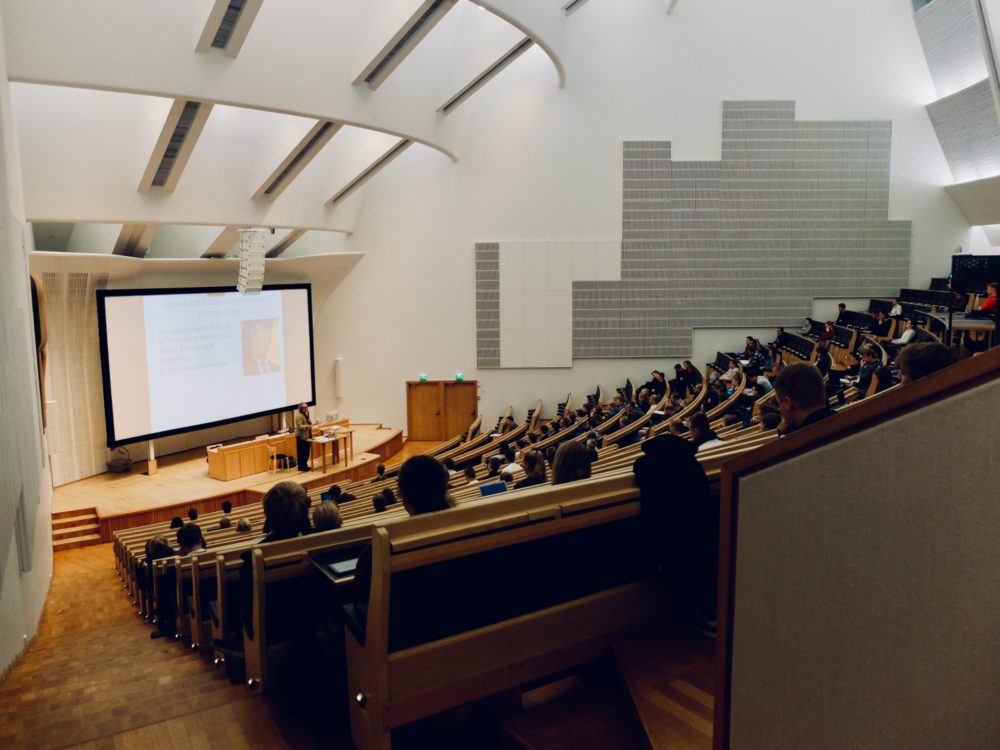
19 schools & universities within Education City in Qatar
Key Organizations
Qatar Foundation (QF)
QF is a non-profit organization made up of more than 50 entities working in education, research, and community development. Its unique ecosystem works to create global opportunities and empower people to shape the present and future.
Go to QF Guide Go to QF Guide
 Leadership: Qatar Foundation