
Qatar's Logistics Sector
$10.9B
Estimated value of Qatari Logistics market
$66.6B
Total Export of goods by Qatar in January 2026
About Qatar's Logistics Sector
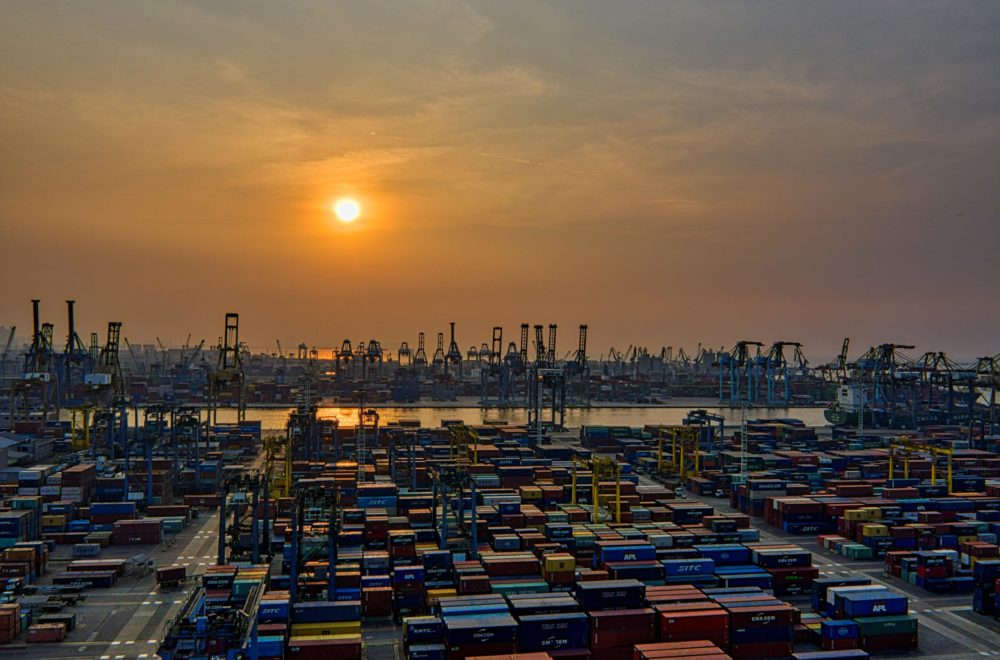
Qatar’s logistics sector has emerged as a key pillar of the country’s economic diversification strategy and is projected to continue its strong growth trajectory in the coming years. The market is estimated to be valued at approximately $10.9 billion in 2026 and is forecast to expand at a compound annual growth rate (CAGR) of 6.55% through 2031. Growth is being driven by sustained investments in transportation infrastructure, expanding trade volumes, the development of free zones, and Qatar’s increasing role as a regional distribution and transshipment hub.
Qatar’s position as a leading global energy exporter continues to support demand for logistics and supply chain services. The country is advancing the North Field Expansion project, which is expected to increase LNG production capacity to 142 million tonnes per annum by 2030, generating additional demand for maritime transportation, warehousing, industrial logistics, and supporting services.
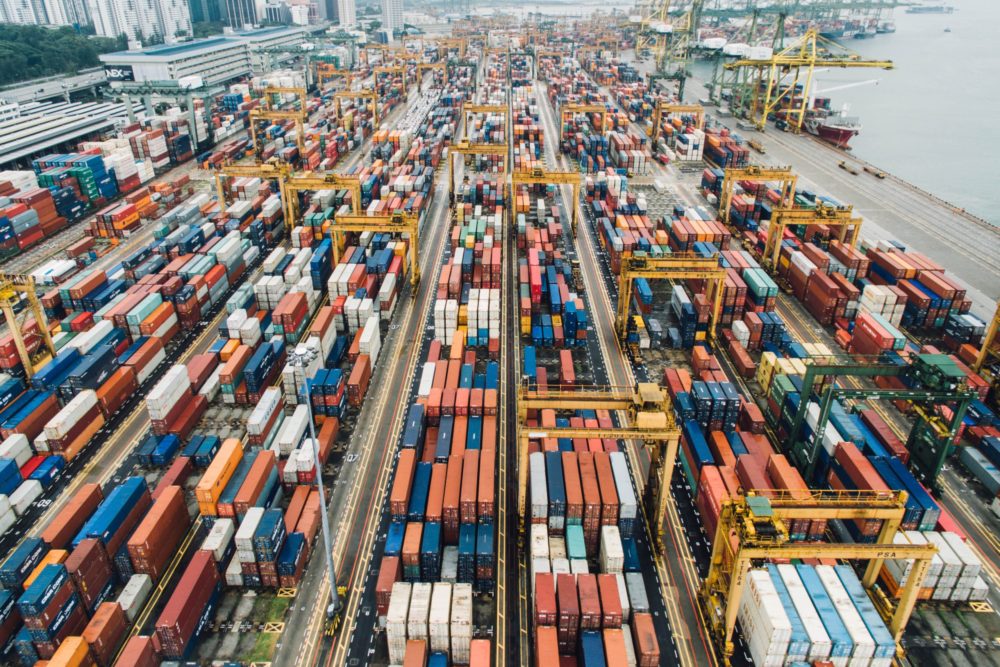
Strategically located at the intersection of major trade routes linking Asia, Europe, and Africa, Qatar offers efficient access to regional and international markets. The country’s logistics network is anchored by Hamad Port, Hamad International Airport, Ras Laffan Port, Mesaieed Port, Doha Port, and Al Ruwais Port, providing integrated sea, air, and land connectivity. Hamad Port, Qatar’s primary commercial gateway, connects to more than 40 ports across three continents through over 15 direct shipping services and is among the region’s most advanced deep-water ports.
Qatar’s free zones further strengthen the country’s logistics ecosystem. Ras Bufontas Free Zone, located adjacent to Hamad International Airport, is designed to support high-value and time-sensitive industries, including logistics, technology, and advanced manufacturing. Umm Alhoul Free Zone, situated next to Hamad Port, provides direct access to maritime trade routes and serves industries such as petrochemicals, energy, heavy manufacturing, and industrial services.
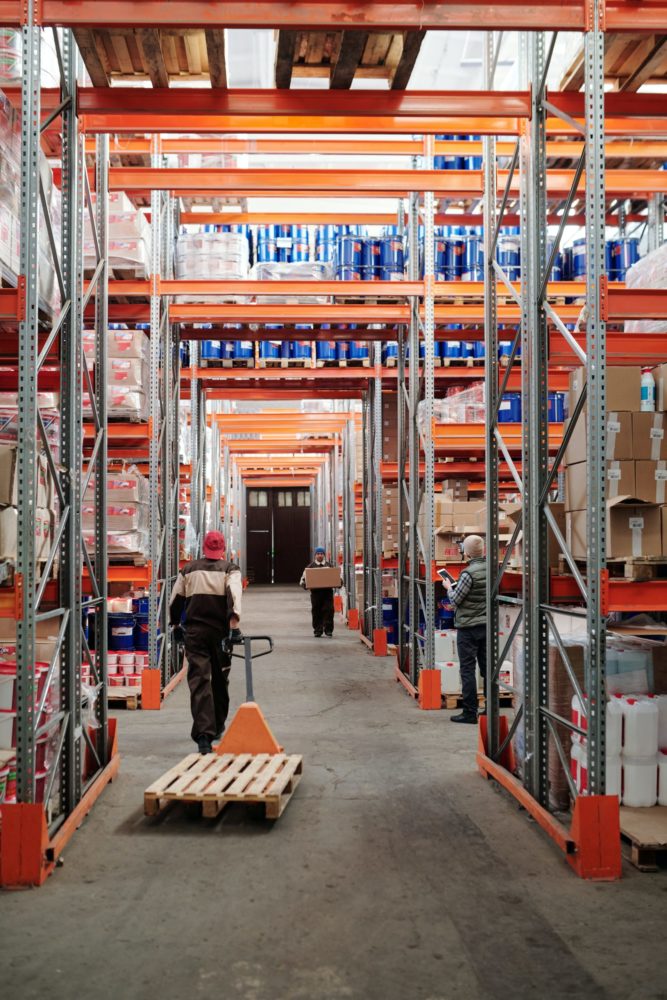
The sector is supported by a combination of domestic and international logistics providers offering transportation, freight forwarding, warehousing, and supply chain management services. Major operators include Gulf Warehousing Company (GWC), DHL, UPS, Gulf Agency Company (GAC), Agility Logistics, Aramex, Aero Freight, and Britannia Freight and Logistics, among others.
 Go to MOTC Guide